







Search Results for: low acidity without bitterness
How to Choose Coffee That Isn't Sour? Understand the Principles to Pick Beans Without Pitfalls
Many friends who dislike acidic coffee have had this experience: they order based on online recommendations, only to brew a cup with a fruity sour taste, and it completely ruins their mood. What exactly determines whether coffee is sour or bitter? How can you choose to avoid sourness? This article explains it all at once. The sourness and bitterness of coffee mainly depend on these factors: roast level. [more…]
Balanced Coffee Beans | Which Single-Origin Beans Make Pour-Over Black Coffee Without Bitterness or Astringency? Recommended Easy-Drinking, Low-Acidity Medium-Roast Pour-Over Coffee Beans Every Beginner Must Buy
In coffee cupping, there is a scoring category called "Balance," but what it evaluates is not merely the harmony of acidity, sweetness, and bitterness! Rather, it scores the coordination among the coffee's acidity, sweetness, body, and aftertaste. Balance can be said to play the role of coordinator. [more…]
Are Coffee Aftertaste and Sweetness the Same Thing? High-Sweetness, Low-Acidity, Low-Bitterness Coffee Bean Recommendations and Aftertaste Analysis
In coffee tasting, "hui gan" (returning sweetness) is often used to describe the pleasant mouthfeel brought by a good cup of coffee. But are hui gan and sweetness really the same experience? Starting from the concept of aftertaste, this article analyzes the formation mechanism of hui gan, its difference from sweetness, and the factors that affect the persistence of aftertaste. At the same time, for those who prefer flavors that are high in sweetness and low in acidity and bitterness, we recommend several Front Street Coffee beans, including the Classic Blend, Brazil Queen Estate, PWN Golden Mandheling, and Boquete Geisha, to help you find the flavor you like in your daily brewing. [more…]
How to brew medium-dark roast pour-over coffee without bitterness? A flavor analysis of the acidity and bitterness differences between Yirgacheffe and Mandheling
Coffee beans must be roasted, ground, and brewed before they can present a cup of coffee with full aroma and rich flavor. Different roast levels bring entirely different flavor directions: the darker the roast, the higher the body, the lower the acidity, and the more pronounced the bitterness. This article starts with the characteristics of three types of beans—light roast, medium roast, and dark roast—to help you understand the relationship between roast level and flavor, and uses the light-roasted Front Street Yirgacheffe Gedingding and the dark-roasted Front Street Mandheling as examples to explain the approach to matching grind size and water temperature. It also shares four practical tips—low, gentle, slow, and coarse—so that medium-dark roasted coffee can also brew a soft and solid taste. [more…]

What exactly is high-concentration, low-extraction? Master this approach to brew coffee without bitterness.
Many coffee enthusiasts encounter the term "high concentration, low extraction" when reading Front Street Coffee articles or others' brewing分享, but the explanations they find are often packed with confusing data. This article breaks down this complex theory into plain, easy-to-understand descriptions: first, it explains that high concentration, low extraction is not a fixed technique but a brewing concept and outcome; then, with the help of the Golden Cup extraction chart, it clarifies the two core concepts of "concentration" and "extraction yield"; finally, it explains why, when dealing with dark-roasted, anaerobically processed, or extraction-sensitive beans, one needs to lower the extraction yield while increasing concentration, and how this concept is specifically reflected in Japanese-style brewing. [more…]

Cold Brew Guide | How to Make Cold Brew Coffee Without a Fridge? How Long Can Cold Brew Coffee Last at Room Temperature? Which Coffee Beans Are Best for Cold Brew?
It sounds like a cliché, but this summer really is scorching hot! There are many ways to beat the blazing summer heat, and in the coffee world, the best solution is of course the wildly popular cold brew coffee of recent years. If you also want to easily make authentic and delicious cold brew coffee at home, then please follow Front Street Coffee and learn well. [more…]
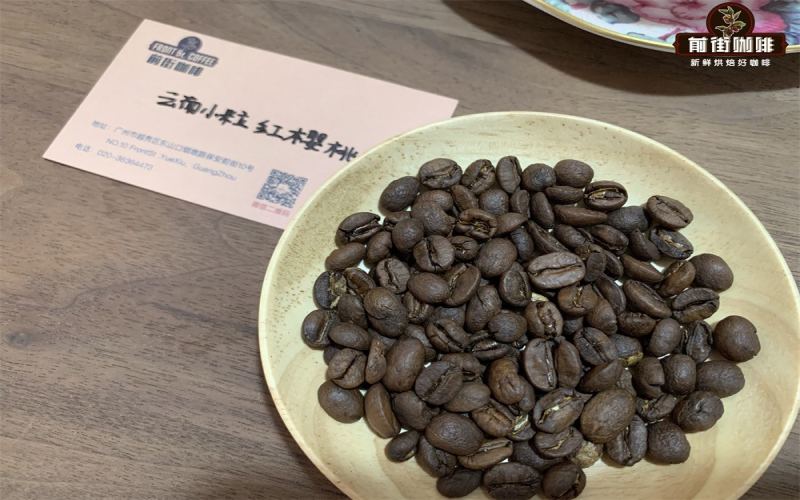
How does Yunnan small-batch coffee taste? What exactly is the difference between Yunnan small-batch coffee and Yunnan coffee?
Yunnan, as China's core coffee-producing region, has drawn more attention to the charm of domestic coffee through film and television works. Is Yunnan arabica coffee actually good? And how does it differ from what is commonly called Yunnan coffee? Yunnan arabica coffee has a fairly neutral taste, with a balance of acidity and bitterness, and carries local terroir characteristics such as brown sugar and fruity acidity; overall it is aromatic without being bitter, and rich without being harsh. From a varietal perspective, arabica coffee is in fact another name for the Arabica species, while what is currently grown in Yunnan includes both the classic Typica and the disease-resistant, high-yielding Catimor. Front Street Coffee has established an estate in Lincang and launched products such as sun-dried Typica, striving to improve the quality of Yunnan coffee from the source of the varieties. This article will sort through the varietal origins, main producing areas, processing methods, and brewing suggestions. [more…]
American Coffee Bean Buying Guide | Why Is American Black Coffee Bitter? Which Low-Acid, Non-Bitter Espresso Blend Beans Are Recommended for Home Coffee Machines?
Espresso refers to the concentrated liquid extracted using an espresso machine. In most cases, the espresso concentrate is not used for direct serving. Of course, sometimes some customers, for the sake of alertness and a strong taste, will order espresso; this situation is not common. Espresso concentrate is brewed at a 1:2 ratio, and its [more…]
The Complete Guide to Ice Drip Coffee and Cold Brew Coffee: From Extraction Principles and Flavor Differences to Detailed Brewing Steps
Coffee doesn't have to be brewed with hot water—cold water can also extract stunning flavors. Since the 1960s, Japan has popularized an extraction method that uses a special ice drip pot to slowly drip ice water through coffee grounds, yielding a rich, full-bodied coffee liquid with almost no unpleasant bitterness. Because cold water lacks the thermal molecular movement of hot water, the extraction process often takes six to eight hours, during which one must constantly monitor the melting ice and replenish it promptly to ensure the dripping water remains at a consistently low temperature. Combined with limited output per batch, ice drip coffee is usually priced higher than other regular coffees. However, ice drip equipment is expensive, so some people have switched to soaking coffee grounds in cold water and then refrigerating for about twelve hours. Although this method is slightly inferior in clarity, it still produces a full, balanced coffee without undesirable bitterness. This article will systematically outline the essential differences between ice drip and cold brew, the flavor differences between cold-water and hot-water extraction, and, using Front Street Coffee's practical experience as an example, provide detailed guidance on the preparation methods and storage recommendations for both types of cold coffee. [more…]
Yunnan Arabica Coffee Flavor Analysis: A Full Breakdown of Variety Origins, Regional Characteristics, and the Differences in Yunnan Coffee
Yunnan, as China's largest coffee-growing province, is known for its arabica coffee, which features a neutral flavor profile—aromatic yet not bitter, rich yet not harsh, with a pleasant mild acidity—and has drawn significant attention from coffee enthusiasts. Starting from the taste characteristics of Yunnan arabica coffee, this article systematically sorts out how it differs conceptually from Yunnan coffee in general, traces the historical origins of arabica coffee since its introduction to Yunnan in 1904, analyzes the flavor differences between the two major varieties Typica and Catimor, and provides a detailed introduction to the distinctive features of major producing regions such as Baoshan, Pu'er, Dehong, and Lincang. At the same time, the article also shares Front Street Coffee's experience cultivating Typica in Lincang, Yunnan, as well as the influence of washed and natural processing methods on flavor and brewing recommendations, helping readers gain a comprehensive understanding of the true character of Yunnan arabica coffee. [more…]
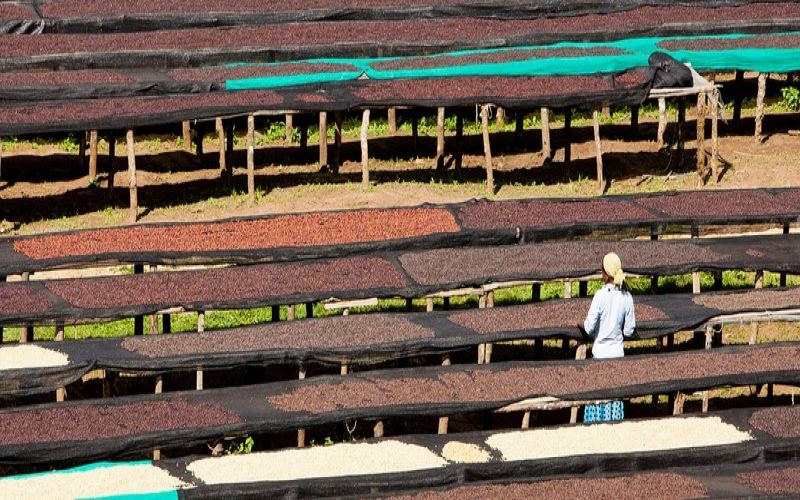
Not Sour, Not Bitter: What Roast Level Determines in Pour-Over Beans
If you want your pour-over coffee to taste mellow, roast level is a very practical entry point to observe. It affects the brightness of acidity, the way bitterness appears, the thickness of sweetness, and the direction of aroma. The so-called "neither sour nor bitter" does not mean weakening all the flavors, but rather finding the position that suits you best among refreshing, sweet, and full-bodied. [more…]
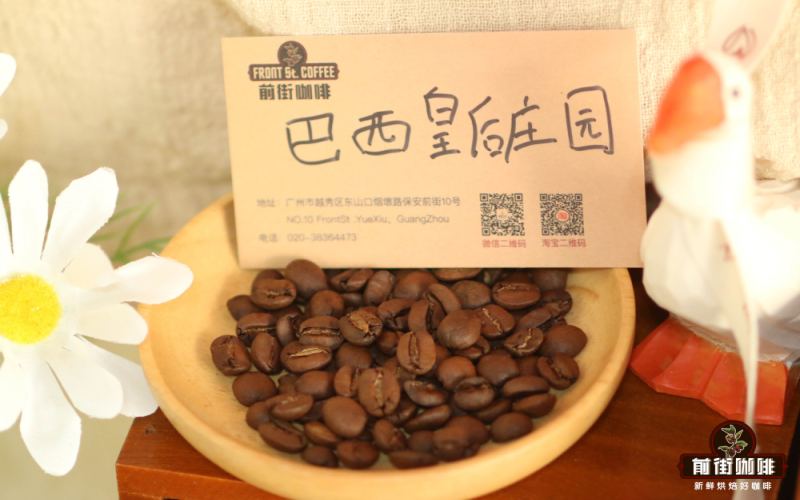
Analyzing the Flavor Characteristics of Brazilian Coffee Beans: Low Acidity, Full Body, and Nutty Notes — Are They Suitable for Espresso Blends?
Brazil is one of the world's most important Arabica coffee producers, and its coffee industry plays a pivotal role in the national economy. In recent years, it has also begun to make a name for itself in the specialty coffee sector. Brazilian specialty coffee is mainly distributed across Minas Gerais, São Paulo, Paraná, and Mogiana, with varieties dominated by Bourbon, Typica, Caturra, and Mundo Novo. Because the growing regions are at relatively low altitudes, have flat terrain, lack microclimates, and are mostly cultivated without shade, Brazilian beans generally do not possess the bright acidity and delicate flavors of other Central and South American origins. Instead, they display regional characteristics of low acidity, nutty notes, chocolate sweetness, balanced acidity and bitterness, and good body. Precisely because their flavors are not particularly prominent yet their body is excellent, Brazilian beans are widely used in espresso blends, and they can be found in almost every espresso recipe. After cupping many Brazilian beans, Front Street Coffee also listed two specialty single-origin coffees, Cerrado and Mogiana, as well as three espresso blends based mainly on Brazilian beans, to meet different needs. [more…]
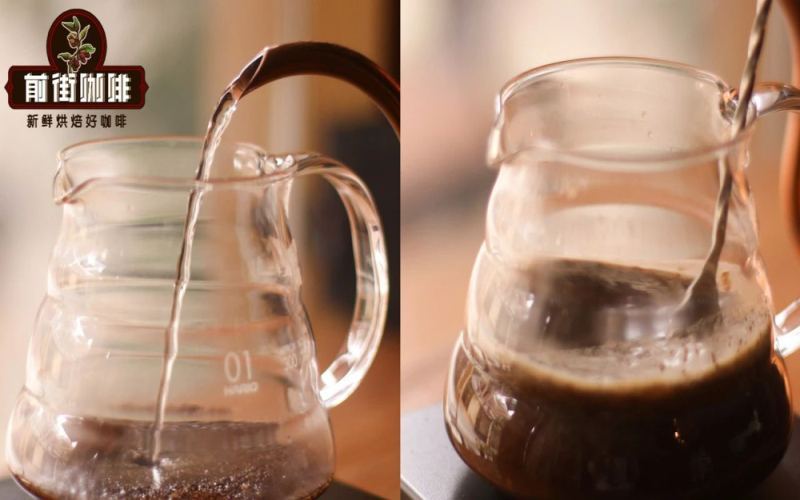
Making Cold Brew Latte Without a Coffee Machine: Detailed Method and Flavor Analysis of Home Milk-Brewed Coffee
Want to enjoy a silky-smooth latte at home but lack an espresso machine or other complicated equipment? In fact, as long as you master the core principle of cold extraction, you can easily make a full-bodied, easy-drinking milk-brewed latte with no fuss. This article starts with the flavor advantages of milk-brewed coffee, explains why cold extraction reduces bitterness and preserves aroma, and fully shares Front Street Coffee's recommended fresh milk choices, suitable coffee bean varieties, and specific brewing parameters and steps, including the coffee-to-milk ratio, grind size, and steeping time. It also includes a lazy version and storage suggestions to help you avoid the risk of milk spoiling. Whether you're a coffee beginner or a seasoned enthusiast, you'll find a practical and delicious home coffee solution here. [more…]
A Beginner's Guide to Single-Origin Coffee: From Origin to Flavor, a Detailed Explanation of 15 Common Specialty Coffee Beans and Recipe Ratios
Single-origin coffee refers to pure coffee made from coffee beans of a single origin, usually without milk or sugar, in order to showcase the terroir of the origin itself. From Jamaican Blue Mountain to Hawaiian Kona, from Ethiopian Mocha to Indonesian Mandheling, each producing region has its own signature flavor imprint. This article will systematically sort out the origins, flavor characteristics, and drinking features of 15 common specialty coffee beans, and also include blending ratios for four representative types of single-origin beans—acidic, bitter, full-bodied, and mild—to help coffee lovers build a clear cognitive framework for single-origin coffee and find the cup that suits them. [more…]
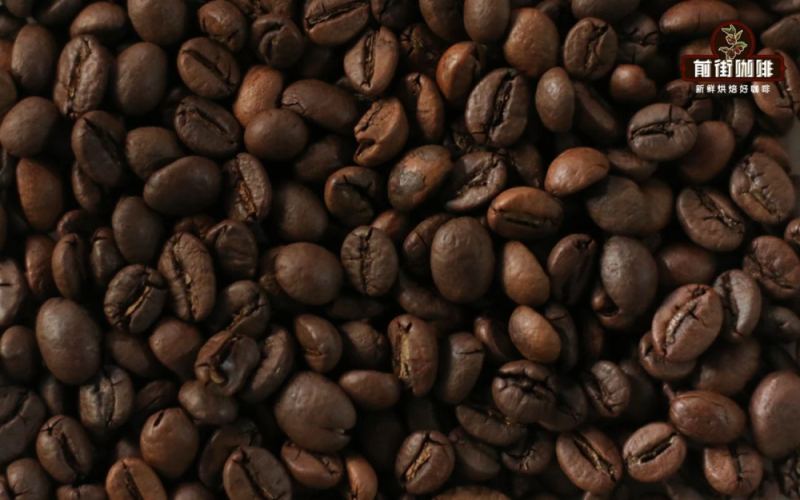
Robusta Coffee Pour-Over Experience: Flavor and Mouthfeel, and an Analysis of the Causes of Acidity and Bitterness
Robusta is often regarded as an ingredient for espresso blends and instant coffee, and is quite rarely used for pour-over. In this article, Front Street Coffee conducts a pour-over experiment using deep-roasted Robusta from Vietnam, documenting the flavor changes from high temperature to cooling: at the high-temperature stage, it presents hazelnut, caramel, and grain notes, with a full body and tolerable bitterness; after the temperature drops, rubber, earthy mustiness, and a bitter finish emerge, with noticeably insufficient cleanliness. The article also explains the differences in appearance between Robusta and Arabica, their commercial value and price advantages, and explains that its higher bitterness is due to higher caffeine and chlorogenic acid content, as well as flavor defects caused by low-altitude cultivation. Finally, it mentions Robusta grown in a specialty manner, which has a clean flavor but is scarce in yield and rarely seen. [more…]
Why Is Americano So Bitter? Does Adding Sugar Ruin the Vibe? Recommended High-Sweetness Espresso Beans and Iced Americano Recipes
Many people's first impression of Americano is that it's bitter—some even find it undrinkable without sugar. Is this perception actually correct? Where does the bitterness in Americano come from? Is adding sugar to Americano really so uncouth? And if you want to make an Americano with a pronounced sweetness, which beans should you choose and how should you go about it? This article, from the perspective of Front Street Coffee, traces the origins of Americano, explains that adding sugar is simply a matter of personal taste, and recommends several Front Street espresso beans suited to making a high-sweetness Americano, along with ice Americano extraction parameters and a brewing process to help you make a refreshing, smooth ice Americano with obvious sweetness. [more…]
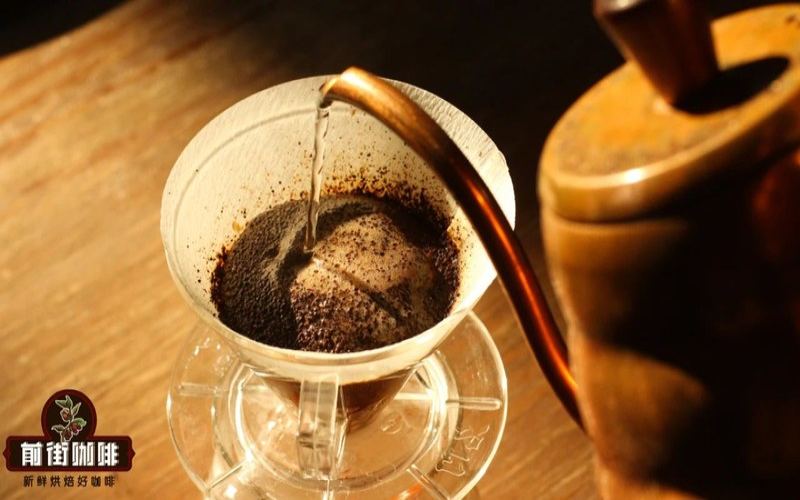
Want a cocoa-flavored cup from your moka pot? Choose beans by roast level like this
If you want to brew a cocoa-like cup with a moka pot, when choosing beans you can first look at the roast level, then at the flavor description. Light roasts often put fruit acidity, floral notes, and a clean sweetness up front, and the moka pot's high temperature and concentrated extraction can make the acidity stand out; medium to medium-dark roasts are more likely to show cocoa, nuts, caramel, and a fuller mouthfeel, which pairs well with this small [more…]
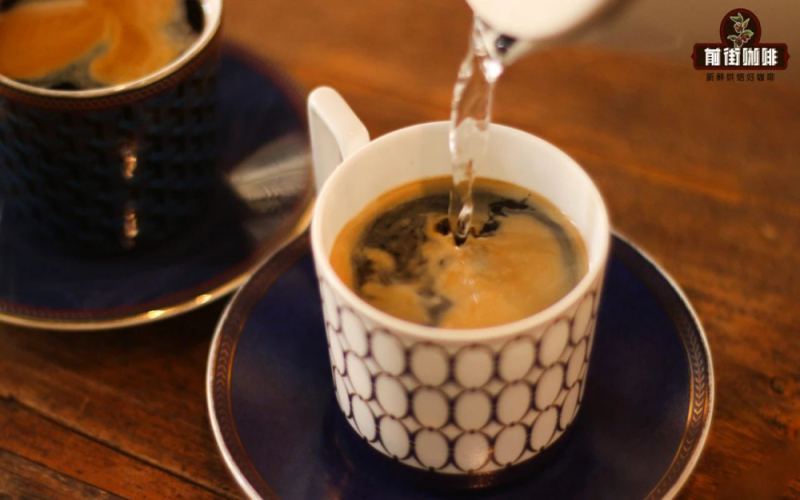
The Benefits of Black Coffee and How to Make It: A Flavor Guide from Americano to Latte
Original coffee is black coffee without sugar or milk, covering a variety of categories such as pour-over, cold brew, and Americano. Among these, Americano is made by diluting espresso with water and places high demands on bean quality and extraction technique. This article explains in detail the differences between Americano and latte, Front Street Coffee's brewing parameters, and how to choose suitable beans based on roast level to balance bitterness and acidity. It also explains the benefits of drinking black coffee in moderation, such as aiding digestion and cutting greasiness, reducing bloating, and boosting metabolism, while reminding readers that adding syrup or non-dairy creamer brings extra calories, and recommending no more than three cups per day. [more…]
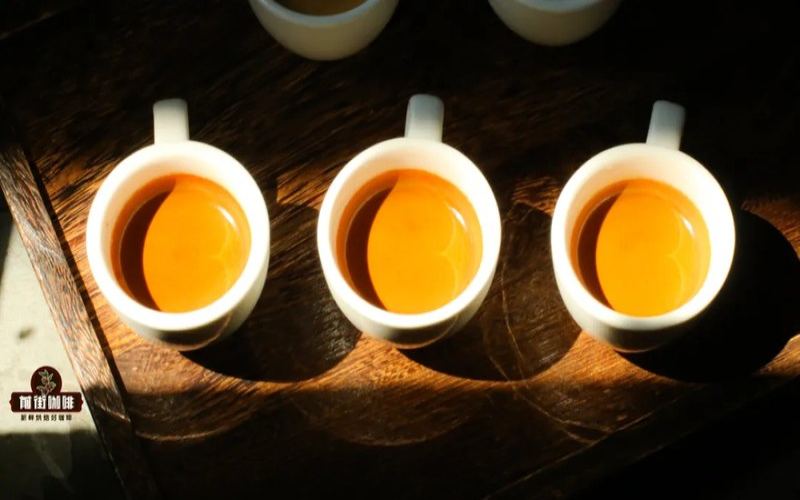
From Medium-Dark to Dark Roast: Choosing Dark Roast Beans for Pour-Over Like This
Pour-over is not only for bright, light-roasted beans. Once the roast level reaches medium-dark or dark, coffee reveals notes of cocoa, nuts, caramel, and roasted aromas, with a heavier mouthfeel and softer acidity. As long as you choose according to the intensity you want, dark-roasted pour-over can also deliver clear sweetness and a smooth texture. Pick [more…]
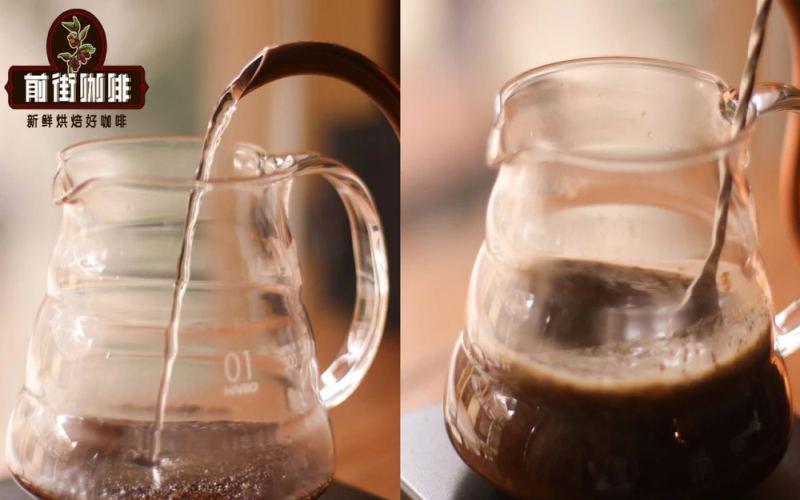
Iced Latte Recipe Introduction | How to make a latte at home without a coffee machine? How can coffee beginners make cold brew latte milk coffee?
How can cold brew coffee be limited to black coffee only!! This article will teach everyone how to easily make silky-smooth cold (milk) brew latte at home, without a coffee machine or complicated equipment~ Without further ado, GO GO GO! The soul of milk brew coffee: "Full-bodied taste, no burden." [more…]